
8kW Fronius vs 8kW Huawei Inverter Which One Is Best for Your Solar System in Pakistan?
If you’re planning to install an 8kW solar inverter for your home or business in Pakistan, two premium options often come up: Fronius 8kW inverters and Huawei 8kW inverters. Both brands are strong contenders, but they target slightly different priorities efficiency, durability, smart monitoring, and long-term reliability.
Understanding how they compare helps you choose the most suitable inverter for your solar project, whether you want maximum export to the grid (net metering), robust hybrid setup, or long service life.
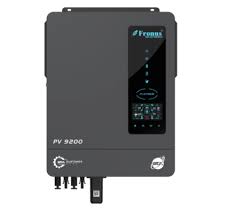
Brand Positioning: Fronius and Huawei
Fronius Inverters
Fronius is an Austrian-engineered brand known for robust build quality, high reliability, and excellent performance in varied environmental conditions. They are a preferred choice for homes and commercial systems that prioritize durability and stable output. Fronius inverters often feature Solar.web monitoring, SnapINverter modular design, and strong thermal tolerance.
Huawei Inverters
Huawei’s SUN2000 series is a Chinese global leader in smart solar inverter technology. Huawei focuses on high efficiency, AI-assisted fault detection, sophisticated cloud monitoring (FusionSolar), and seamless hybrid integration — making them ideal for smart solar + battery setups.
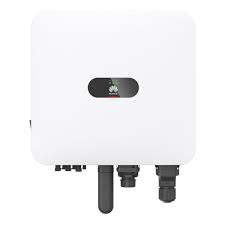
Key Comparison: 8kW Fronius vs 8kW Huawei
1. Energy Conversion Efficiency
- Fronius 8kW: Typically delivers efficiency around 97-98%, which is excellent for stable energy production across seasons.
- Huawei 8kW: Known for slightly higher peak efficiency (around up to ~98.6%), often improving overall solar yield, especially on large systems.
Verdict: Huawei generally edges ahead in maximum conversion efficiency, meaning marginally more usable energy from the same panel array.
2. Grid & Hybrid System Compatibility
- Fronius: Strong on reliability and on-grid performance. Hybrid capabilities exist via certain models but overall emphasis is on robust grid-tie performance and industrial-grade stability.
- Huawei: Built with hybrid integration in mind. Their smart FusionSolar platform optimizes grid interaction, battery charging, and export signals — especially important for net metering systems.
Verdict: For hybrid + net metering systems, Huawei offers more advanced and seamless integration.
3. Smart Monitoring & Analytics
- Fronius: Uses Solar.web monitoring platform that provides detailed production analytics, error logs, and trend reports. It’s reliable and well-structured.
- Huawei: FusionSolar ecosystem offers deeper diagnostics, AI-powered arc fault detection, and automatic optimization suggestions via mobile app or web — especially useful for larger systems or commercial use.
Verdict: Huawei’s smart monitoring tools are more advanced and user-friendly for in-depth system tracking and fault prevention.
4. Build Quality & Durability
- Fronius: Known globally for industrial-grade components, excellent thermal design, and IP66 or similar rugged protection — meaning strong performance in high heat, dust, or humid conditions.
- Huawei: Robust hardware as well, engineered to handle wide temperature ranges and harsh climate. Some models avoid fans and use passive cooling to enhance longevity.
Verdict: Both are durable, but Fronius takes a slight edge in global reputation for build quality under varied climates.
5. Warranty & After-Sales Support
- Fronius: Often comes with extended warranty options (7–10 years) depending on retailer and region. Great for long business or full-home systems.
- Huawei: Usually offers strong warranty as well (5–10 years), but check local dealer terms for parts and service quality. FusionSolar also helps in remote troubleshooting.
Verdict: Warranty strengths are comparable; availability may depend on dealer support in your city.
6. Price & Value (Pakistan, 2025)
According to current 2025 estimates, premium 8kW hybrid inverters from these brands sit in similar price brackets:
- Huawei SUN2000-8KTL: higher-end category with advanced features.
- Fronius 8kW models: premium segment known for quality and monitoring tools.
Exact pricing can vary by city, dealer, and included features (e.g., backup box or hybrid integration). Always get local quotes.
Pros & Cons: 8kW Fronius vs 8kW Huawei
Fronius 8kW
Pros
- Superb build quality with strong global reputation
- Excellent performance in varied climates
- Solar.web analytics and reliable output tracking
Cons
- Slightly lower peak efficiency than Huawei
- Hybrid feature set less advanced than Huawei’s
Huawei 8kW
Pros
- Higher energy conversion efficiency
- Advanced smart platform (FusionSolar) with diagnostics
- Strong hybrid & net metering capabilities
Cons
- Often priced at a premium
- Some hybrid functionality requires additional components
Real-World Use Case Examples
Use Case 1: Home with Net Metering & Battery Backup
If your priority is maximizing solar export to the grid and intelligent battery management, the 8kW Huawei inverter is often better due to advanced controls and analytics.
Use Case 2: Rugged, High-Durability Installation
For homes and commercial sites in very hot or dusty climates where long-term stability and international engineering standards matter, the Fronius 8kW inverter is an excellent choice.
Final Verdict
Both 8kW Fronius and 8kW Huawei inverters are excellent and among the top solar inverter options in Pakistan (2025). Your final choice depends on what matters most:
- 📊 Efficiency & Smart Monitoring: Huawei often wins with higher peak efficiency and superior analytics.
- 🔧 Build Quality & Durability: Fronius excels with rugged design and global engineering pedigree.
- ☀️ Hybrid & Net Metering: Huawei’s advanced hybrid features are often better optimized.
- 💡 Value & Long-Term Reliability: Both brands are strong; choose based on dealer support and warranty terms.
Both are widely used and supported in Pakistan’s solar ecosystem.
Quick Comparison Table
| Feature | 8kW Fronius | 8kW Huawei |
|---|---|---|
| Peak Efficiency | ~97-98% | ~98.6% |
| Smart Monitoring | Solar.web | FusionSolar |
| Hybrid/Net Metering | Good | Excellent |
| Build Quality | Premium | Premium |
| Price Category | Premium | Premium |
| Warranty Options | 7–10 years | 5–10 years |
8kW Fronius vs 8kW Huawei Inverter – Which One Is Best for Your Solar System in Pakistan?
If you’re planning to install an 8kW solar inverter for your home or business in Pakistan, two premium options often come up: Fronius 8kW inverters and Huawei 8kW inverters. Both brands are strong contenders, but they target slightly different priorities — efficiency, durability, smart monitoring, and long-term reliability.
Understanding how they compare helps you choose the most suitable inverter for your solar project, whether you want maximum export to the grid (net metering), robust hybrid setup, or long service life.
Brand Positioning: Fronius and Huawei
Fronius Inverters
Fronius is an Austrian-engineered brand known for robust build quality, high reliability, and excellent performance in varied environmental conditions. They are a preferred choice for homes and commercial systems that prioritize durability and stable output. Fronius inverters often feature Solar.web monitoring, SnapINverter modular design, and strong thermal tolerance.
Huawei Inverters
Huawei’s SUN2000 series is a Chinese global leader in smart solar inverter technology. Huawei focuses on high efficiency, AI-assisted fault detection, sophisticated cloud monitoring (FusionSolar), and seamless hybrid integration — making them ideal for smart solar + battery setups.
Key Comparison: 8kW Fronius vs 8kW Huawei
1. Energy Conversion Efficiency
- Fronius 8kW: Typically delivers efficiency around 97-98%, which is excellent for stable energy production across seasons.
- Huawei 8kW: Known for slightly higher peak efficiency (around up to ~98.6%), often improving overall solar yield, especially on large systems.
Verdict: Huawei generally edges ahead in maximum conversion efficiency, meaning marginally more usable energy from the same panel array.
2. Grid & Hybrid System Compatibility
- Fronius: Strong on reliability and on-grid performance. Hybrid capabilities exist via certain models but overall emphasis is on robust grid-tie performance and industrial-grade stability.
- Huawei: Built with hybrid integration in mind. Their smart FusionSolar platform optimizes grid interaction, battery charging, and export signals — especially important for net metering systems.
Verdict: For hybrid + net metering systems, Huawei offers more advanced and seamless integration.
3. Smart Monitoring & Analytics
- Fronius: Uses Solar.web monitoring platform that provides detailed production analytics, error logs, and trend reports. It’s reliable and well-structured.
- Huawei: FusionSolar ecosystem offers deeper diagnostics, AI-powered arc fault detection, and automatic optimization suggestions via mobile app or web — especially useful for larger systems or commercial use.
Verdict: Huawei’s smart monitoring tools are more advanced and user-friendly for in-depth system tracking and fault prevention.
4. Build Quality & Durability
- Fronius: Known globally for industrial-grade components, excellent thermal design, and IP66 or similar rugged protection — meaning strong performance in high heat, dust, or humid conditions.
- Huawei: Robust hardware as well, engineered to handle wide temperature ranges and harsh climate. Some models avoid fans and use passive cooling to enhance longevity.
Verdict: Both are durable, but Fronius takes a slight edge in global reputation for build quality under varied climates.
5. Warranty & After-Sales Support
- Fronius: Often comes with extended warranty options (7–10 years) depending on retailer and region. Great for long business or full-home systems.
- Huawei: Usually offers strong warranty as well (5–10 years), but check local dealer terms for parts and service quality. FusionSolar also helps in remote troubleshooting.
Verdict: Warranty strengths are comparable; availability may depend on dealer support in your city.
6. Price & Value (Pakistan, 2025)
According to current 2025 estimates, premium 8kW hybrid inverters from these brands sit in similar price brackets:
- Huawei SUN2000-8KTL: higher-end category with advanced features.
- Fronius 8kW models: premium segment known for quality and monitoring tools.
Exact pricing can vary by city, dealer, and included features (e.g., backup box or hybrid integration). Always get local quotes.
Pros & Cons: 8kW Fronius vs 8kW Huawei
Fronius 8kW
Pros
- Superb build quality with strong global reputation
- Excellent performance in varied climates
- Solar.web analytics and reliable output tracking
Cons
- Slightly lower peak efficiency than Huawei
- Hybrid feature set less advanced than Huawei’s
Huawei 8kW
Pros
- Higher energy conversion efficiency
- Advanced smart platform (FusionSolar) with diagnostics
- Strong hybrid & net metering capabilities
Cons
- Often priced at a premium
- Some hybrid functionality requires additional components
Real-World Use Case Examples
Use Case 1: Home with Net Metering & Battery Backup
If your priority is maximizing solar export to the grid and intelligent battery management, the 8kW Huawei inverter is often better due to advanced controls and analytics.
Use Case 2: Rugged, High-Durability Installation
For homes and commercial sites in very hot or dusty climates where long-term stability and international engineering standards matter, the Fronius 8kW inverter is an excellent choice.
Final Verdict
Both 8kW Fronius and 8kW Huawei inverters are excellent and among the top solar inverter options in Pakistan (2025). Your final choice depends on what matters most:
- 📊 Efficiency & Smart Monitoring: Huawei often wins with higher peak efficiency and superior analytics.
- 🔧 Build Quality & Durability: Fronius excels with rugged design and global engineering pedigree.
- ☀️ Hybrid & Net Metering: Huawei’s advanced hybrid features are often better optimized.
- 💡 Value & Long-Term Reliability: Both brands are strong; choose based on dealer support and warranty terms.
Both are widely used and supported in Pakistan’s solar ecosystem.
Quick Comparison Table
| Feature | 8kW Fronius | 8kW Huawei |
|---|---|---|
| Peak Efficiency | ~97-98% | ~98.6% |
| Smart Monitoring | Solar.web | FusionSolar |
| Hybrid/Net Metering | Good | Excellent |
| Build Quality | Premium | Premium |
| Price Category | Premium | Premium |
| Warranty Options | 7–10 years | 5–10 years |


Add comment