
Net Metering for Home
With rising electricity prices and frequent power shortages, many homeowners are now turning toward solar energy with net metering as a long-term solution. Net metering for home is not only a smart financial decision but also an environmentally friendly step toward energy independence. This blog explains what net metering is, how it works for homes, its benefits, cost, process, and important points every homeowner should know, especially in countries like Pakistan.
What Is Net Metering for Home?
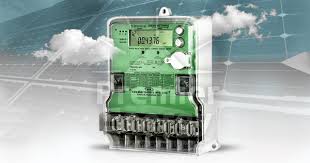
Net metering for home is a billing mechanism that allows homeowners with solar panels to send excess electricity back to the national grid. When your home solar system produces more electricity than you consume, the extra units are exported to the grid. These exported units are then adjusted against the electricity you import from the grid, reducing your monthly bill.
In simple words, your electricity meter runs forward when you use grid power and backward when you send solar power to the grid.
How Net Metering Works for Residential Homes
The working of net metering for home is simple and automatic:
- Solar panels generate electricity during daylight.
- Your home uses solar energy first.
- Extra electricity is sent to the grid.
- At night or during low sunlight, electricity is taken from the grid.
- At the end of the month, your bill is calculated on net units (imported minus exported).
If you export more units than you consume, the units are carried forward to the next bill cycle.
Why Net Metering Is Ideal for Homes
Net metering is especially suitable for residential users because:
- Homes usually consume more electricity during the day (fans, ACs, appliances).
- Rooftop solar space is often available.
- Monthly electricity bills can be significantly reduced.
- Payback period is reasonable compared to generators or UPS systems.
Benefits of Net Metering for Home
1. Massive Reduction in Electricity Bills
Net metering can reduce your electricity bill by 50% to 100%, depending on system size and usage. Some homes even receive zero bills in peak summer months.
2. Faster Return on Investment
A residential solar net metering system usually recovers its cost in 3 to 5 years, while panels last 25+ years.
3. Clean and Green Energy
Solar net metering reduces carbon emissions and dependence on fossil fuels, helping protect the environment.
4. Protection from Rising Tariffs
Electricity prices increase every year, but solar energy is free once installed. Net metering protects homeowners from future tariff hikes.
5. Increased Property Value
Homes with solar net metering systems are considered modern and energy-efficient, increasing resale value.
Common Net Metering Sizes for Homes
The system size depends on your monthly electricity consumption:
- 3kW Net Metering – Small homes (up to 300 units/month)
- 5kW Net Metering – Average homes (400–600 units/month)
- 10kW Net Metering – Large homes or houses with AC usage
- 15–20kW Net Metering – Villas and luxury homes
An energy audit helps decide the correct system size.
Cost of Net Metering for Home
The cost depends on solar panels, inverter quality, structure, and installation.
Average residential cost (approx.):
- 3kW system: Medium budget
- 5kW system: Moderate investment
- 10kW system: Higher upfront cost but maximum savings
Although the initial cost seems high, monthly savings make it affordable over time.
Net Metering Approval Process for Home
The net metering process usually includes:
- Solar system installation (on-grid inverter required)
- Application submission to the local electricity company
- Document verification
- Technical inspection
- Bi-directional meter installation
- Net metering agreement approval
The entire process may take 1 to 3 months, depending on the utility company.
Documents Required for Home Net Metering
Common documents include:
- Copy of CNIC
- Electricity bill
- Property ownership proof
- Single-line diagram
- Inverter and solar panel specifications
- Application form
Important Things to Know Before Installing Net Metering
- Only on-grid or hybrid inverters support net metering.
- Battery is optional but recommended for backup.
- Roof must be shadow-free and structurally strong.
- Choose certified installers to avoid approval delays.
- System size should not exceed sanctioned load.
Net Metering vs Without Net Metering for Home
| Feature | With Net Metering | Without Net Metering |
|---|---|---|
| Bill Savings | Very High | Limited |
| Export Units | Yes | No |
| Grid Interaction | Two-way | One-way |
| ROI | Faster | Slower |
Net metering clearly offers better financial returns.
Is Net Metering Safe and Legal for Homes?
Yes, net metering is legal and regulated by energy authorities. Residential systems are inspected to ensure safety, quality, and grid compatibility. Once approved, it is a secure and long-term solution.
Future of Net Metering for Residential Users
Despite policy changes, net metering remains one of the best energy solutions for homeowners. Governments worldwide encourage residential solar adoption to reduce load on national grids and promote clean energy.
Final Thoughts
Net metering for home is no longer a luxury—it is a smart necessity. With rising electricity costs, frequent load shedding, and environmental concerns, installing a home solar net metering system offers financial freedom, energy security, and peace of mind.


Add comment