
Inverter for UPS Backup in Pakistan
Power outages are still a daily reality in Pakistan, especially during summer and peak demand hours. For most homes, a reliable inverter for UPS backup has become a necessity rather than a luxury. Whether you want uninterrupted power for lights, fans, internet, or essential appliances, choosing the right inverter makes a huge difference in comfort, safety, and long-term cost.
This guide explains how inverters work as UPS systems, which type is best for Pakistani homes, and what to consider before buying.
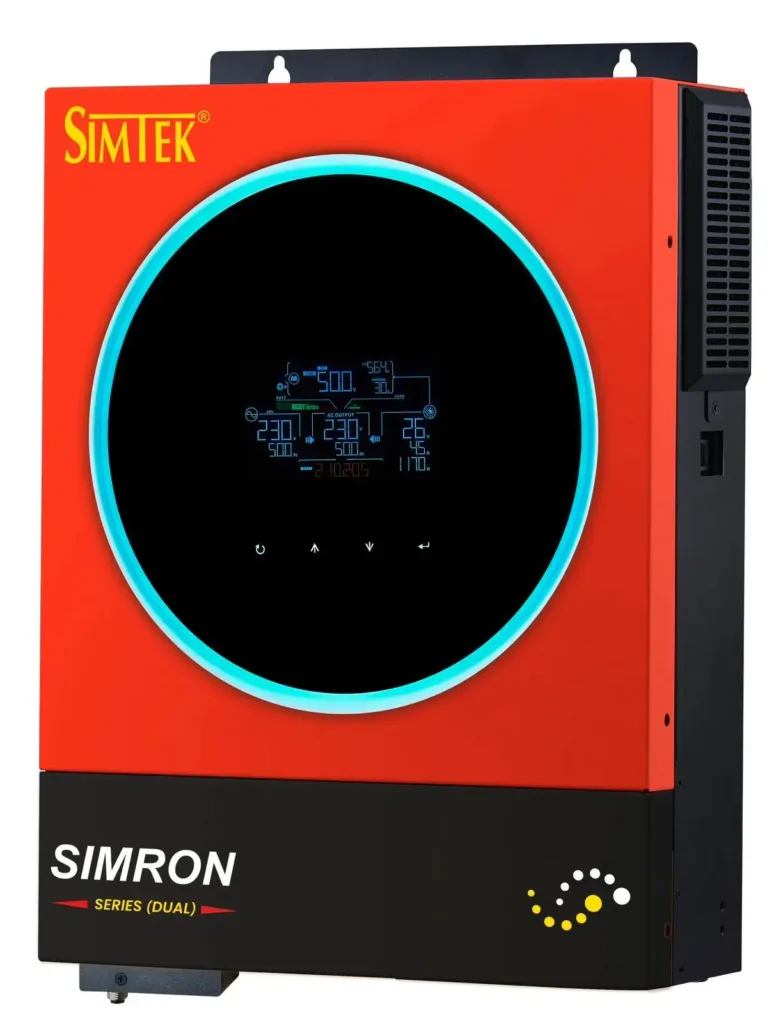
What is an inverter used as a UPS?
An inverter converts DC power from batteries into AC power for home appliances during load shedding. When used as a UPS backup, the inverter automatically switches to battery power the moment grid electricity goes off.
A good inverter for UPS backup should:
- Switch quickly during power failure
- Provide stable pure sine wave output
- Support long backup hours
- Protect appliances from voltage fluctuations
Why inverters are better than traditional UPS in Pakistan
Traditional computer UPS systems are designed for short backup times and limited load. In contrast, home inverters are built for longer outages and heavier loads, making them ideal for Pakistan’s load-shedding conditions.
Key advantages of inverters over standard UPS systems:
- Longer backup duration
- Ability to run fans, lights, TVs, and refrigerators
- Compatibility with large battery banks
- Support for solar charging in many models
- Lower cost per backup hour
Types of inverters used for UPS backup
1. Off-grid inverters
Off-grid inverters are the most common choice for UPS backup. They work independently of the grid and rely entirely on batteries.
Best for:
- Areas with frequent load shedding
- Homes without net metering
- Simple battery-based backup systems
2. Hybrid inverters
Hybrid inverters combine UPS backup with solar charging and grid support. They are more advanced and future-ready.
Best for:
- Homes planning solar installation
- Users who want reduced electricity bills
- Long-term energy solutions
3. Pure sine wave inverters
Pure sine wave inverters provide clean and stable power, similar to grid electricity. They are safest for modern appliances.
Recommended for:
- TVs, refrigerators, computers
- Inverter ACs
- Sensitive electronics
Ideal inverter size for UPS backup at home
Choosing the right inverter capacity depends on your load.
General guidance:
- 1kW to 2kW inverter: Lights, fans, internet router
- 3kW inverter: Lights, fans, TV, fridge, small appliances
- 5kW inverter: Full home backup including multiple rooms
- 8kW and above: Heavy load homes with ACs and motors
Always calculate total wattage before finalizing your inverter.
Battery compatibility for UPS backup
A good inverter must support the right battery type.
Lead acid and tubular batteries
- Lower upfront cost
- Widely available
- Require maintenance
- Shorter lifespan
Lithium batteries
- Longer backup time
- Fast charging
- Maintenance free
- Higher initial cost but better long-term value
For long outages and daily use, lithium batteries are increasingly preferred in Pakistan.
Important features to look for in a UPS inverter
When buying an inverter for UPS backup, prioritize these features:
- Fast transfer time for instant switching
- Built-in battery protection
- Overload and short-circuit protection
- Efficient charging system
- Quiet operation
- Clear display or monitoring option
These features improve safety, reliability, and battery life.
Inverter performance during long load shedding
Pakistan experiences extended power outages in many areas. A reliable inverter should:
- Maintain voltage stability
- Prevent battery over-discharge
- Handle sudden load changes
- Operate efficiently in high temperatures
Poor quality inverters often fail under prolonged load shedding, causing battery damage and appliance issues.
Cost considerations in Pakistan
Inverter prices in Pakistan vary based on capacity and features. Budget models are suitable for basic backup, while premium models offer better efficiency and solar compatibility.
Long-term costs to consider:
- Battery replacement frequency
- Electricity consumption during charging
- Maintenance expenses
- Upgrade compatibility with solar systems
A slightly higher upfront investment often results in lower overall costs.
Final verdict
An inverter used as a UPS backup is the most practical power solution for Pakistani homes. It offers longer backup, better appliance protection, and flexibility compared to traditional UPS systems.
For best results:
- Choose pure sine wave output
- Match inverter size with actual load
- Use quality batteries
- Consider future solar expansion
A well-chosen inverter ensures peace of mind during load shedding and keeps your home running smoothly when power goes out.


Add comment