
Solar Inverter vs Battery Inverter for Load Shedding Which is Better?
In Pakistan, load shedding is a daily challenge for millions of homes. Choosing the right backup power solution can make life easier and more comfortable. Two common options people consider are:
✔ Solar Inverter (solar-assisted, hybrid power solution)
✔ Battery Inverter (traditional inverter with battery backup)
Both help you cope with power failures, but they work differently and serve different needs. Understanding how they compare will help you pick the right solution for your home, budget, and daily energy usage.
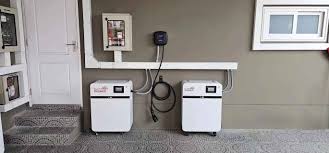
What Is a Battery Inverter?
A battery inverter (sometimes just called “inverter”) uses a battery bank to supply AC power when the grid fails. It charges the battery from the grid and then converts stored DC to AC when power goes out.
Key features:
- Works with deep-cycle batteries (tubular, VRLA/AGM, lithium)
- Excellent for load shedding backup
- Capable of running lights, fans, TV, fridge, and more
- No solar panels required
Typical Usage:
Homes relying mainly on grid power, with regular load shedding and no solar system.
What Is a Solar Inverter?
A solar inverter (especially hybrid or MPPT-enabled models) manages power from both solar panels and batteries to supply electricity during outages.
Key features:
- Converts DC from solar panels to AC
- Charges batteries using solar energy
- Uses grid power when solar isn’t enough
- Works even during load shedding (with battery storage)
- Reduces electricity bills by using free solar power
Typical Usage:
Homes with solar panels, aiming to reduce power bills while getting backup power.
Core Differences: Solar Inverter vs Battery Inverter
| Feature | Solar Inverter | Battery Inverter |
|---|---|---|
| Power Source | Solar + Grid | Grid only |
| Battery Charging | Solar + Grid | Grid only |
| Electricity Bills | Reduced | No reduction |
| Backup During Day | Long (solar charging) | Limited (battery dependent) |
| Backup During Night | Depends on battery only | Depends on battery |
| Solar Panels Needed | Yes | Optional (not used) |
| Long-Term Savings | Higher | Lower |
| Best For | Solar + backup | Grid-based backup |
Backup Power & Load Shedding
Battery Inverter
✔ Provides reliable backup during outages
✔ Battery charges from grid
✔ Simple setup
✔ Works even without solar
Limitations:
✔ Backup only as long as battery lasts
✔ Higher electricity cost (no solar contribution)
Solar Inverter
✔ Provides backup from solar during day
✔ Charges battery using solar (free energy)
✔ Reduces electricity bills
✔ Longer effective backup with solar + battery
Limitations:
✔ Requires investment in solar panels
✔ Solar generation depends on sunlight
Cost Comparison (2025 Pakistan)
Solar Inverter System
- Solar inverter + batteries + solar panels
- Higher upfront cost
- Lower long-term electricity cost
- Better long-term return on investment
Battery Inverter System
- Inverter + battery bank
- Lower upfront cost
- No solar savings
- Higher monthly electricity bills (charging from grid)
Verdict: Solar inverter costs more initially but saves more in the long run.
Efficiency & Performance
Battery Inverter:
- Efficient for short to medium outages
- Backup time limited by battery capacity
- Charging from grid only
Solar Inverter:
- Efficient during daytime due to solar generation
- Smart MPPT tracking maximizes energy from panels
- Hybrid models balance solar, battery, and grid
Winner: Solar inverter has better efficiency and longer effective backup when solar panels are present.
Sustainability & Long-Term Value
Solar inverters contribute to energy independence and sustainability. Solar systems reduce carbon footprint and lower dependency on grid electricity.
Battery inverters address only backup needs without energy savings.
Which Should You Choose?
Choose a Battery Inverter if:
✔ Your goal is pure backup power
✔ You don’t have solar panels
✔ Your budget is tight
✔ You want a simple, grid-based solution
Best for:
Low to moderate load homes, short load shedding areas, rental properties.
Choose a Solar Inverter if:
✔ You Want backup + energy savings
✔ You have (or plan to install) solar panels
✔ You face long daily load shedding
✔ You want lower electricity bills
✔ You plan long-term investment
Best for:
Homes with moderate to heavy usage, long load shedding, or high electricity costs.
Real-World Examples
Example 1 — Small Home
A 3kW battery inverter with a 200Ah battery will run:
Lights, fans, TV, router for several hours.
Ideal Choice: Battery Inverter (lower cost, simple setup)
Example 2 — Medium Home with Solar
A 5kW solar inverter with 5–6kW solar panels and a battery bank can:
- Run essential loads during day from solar
- Charge battery from solar for night backup
- Lower grid electricity use
Ideal Choice: Solar Inverter (best savings + backup)
Pros & Cons at a Glance
Battery Inverter
✔ Lower initial cost
✔ Works without solar
✔ Easy installation
✘ No reduction in electricity bills
✘ Backup limited by battery capacity
Solar Inverter
✔ Uses free solar power
✔ Long-term energy savings
✔ Better for daily load shedding
✔ Reduces electricity cost
✘ Higher upfront cost
✘ Requires solar panel investment
Final Verdict
If your priority is only backup power at the lowest possible cost, a battery inverter is sufficient.
But if you want to save on electricity bills and build a future-ready power system, a solar inverter is a better load shedding solution.
In most Pakistani homes facing daily outages and rising power costs, a solar inverter with battery offers the best balance of backup, efficiency, and savings over time.


Add comment