
Inverter Efficiency 98% vs 97% – Real Difference Explained (Including DJDC)
When comparing solar inverters like Huawei, GoodWe, or DJDC, you’ll often see specs like 98% efficiency vs 97% efficiency. At first glance, this looks like a tiny difference — but it actually matters more than most people think.
Let’s break it down in a simple, practical way
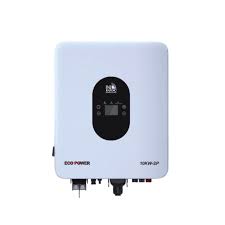
What Does 98% vs 97% Efficiency Mean?
Inverter efficiency = how much solar power is converted into usable electricity.
- 98% efficiency → only 2% energy lost
- 97% efficiency → 3% energy lost
That means a 1% difference = extra energy saved every day
Example:
- Solar panels produce: 5000W (5kW)
- 98% inverter → 4900W usable
- 97% inverter → 4850W usable
Difference = 50W per hour
Real Daily & Yearly Impact
Let’s calculate for a typical Pakistani home:
- Daily production: 20 units (kWh)
- 1% loss difference = 0.2 units/day
Yearly:
- 0.2 × 365 = ~73 units per year
👉 Over 10–20 years:
- 700–1500 units difference
Even small efficiency gaps add up over time.
Important: Real-World Efficiency is Lower
Here’s the truth most sellers don’t tell you:
- Advertised (peak): 97–98%
- Real-world: 94–96% due to heat, load, dust
👉 So the actual difference between 98% and 97% becomes:
- Often 0.5%–1% in real usage
Does 1% Efficiency Really Matter?
YES – If:
- You are installing long-term system (10–25 years)
- You want maximum savings
- You are using net metering
- System size is 5kW+
NOT MUCH – If:
- Budget is tight
- System is small (3–5kW basic use)
- You prioritize battery backup over efficiency
Huawei vs GoodWe vs DJDC (Efficiency Reality)
Huawei
- Up to 98.6% efficiency
- Best real-world performance
- Advanced cooling = less heat loss
👉 Highest actual output over time
GoodWe
- ~97.5%–98% efficiency
- Strong hybrid performance
👉 Slightly lower than Huawei but very close
DJDC
- Claims around 97–98% efficiency
- Budget hardware
⚠️ Reality:
- Real efficiency may drop more under heat/load
- Less optimized electronics
👉 Practical performance often closer to 96–97%
Hidden Truth: Efficiency Curve Matters More
Not all inverters perform the same all day.
- Morning/evening → lower efficiency
- Peak sunlight → highest efficiency
👉 A “98% inverter” only hits that number at ideal conditions
👉 Most of the day, it runs below that
This is why consistent performance matters more than peak number
Loss Comparison (Simple View)
| Efficiency | Energy Lost | Real Impact |
|---|---|---|
| 98% | 2% loss | Best performance |
| 97% | 3% loss | Slightly lower |
| 96% | 4% loss | Noticeable drop |
👉 Each 1% = extra heat + less power
Final Verdict (Simple)
- 98% vs 97% is NOT huge daily
- But over years → important difference
👉 Choose 98% inverter if:
- You want maximum long-term savings
- Budget is not an issue
- Going for premium system (Huawei)
👉 Choose 97% inverter if:
- You want value for money (GoodWe)
- Hybrid backup is priority
👉 Choose DJDC if:
- You need lowest cost setup
- You accept slightly lower real efficiency
Bottom Line
✔ 1% efficiency difference = small daily gain
✔ But big long-term impact
✔ Real-world performance matters more than specs
👉 For Pakistani homes:
- Best performance: Huawei
- Best balance: GoodWe
- Best budget: DJDC


Add comment