
Backup Inverter vs Traditional UPS – Which is Better for Pakistani Homes?
With frequent load shedding and unexpected power failures in Pakistan, every household needs a reliable backup solution. Two common options people consider are a backup inverter and a traditional UPS. While both provide emergency power, they serve very different purposes.
Choosing the wrong system can lead to short backup time, damaged appliances, or wasted money. Understanding the difference helps you invest in the right solution for your home.
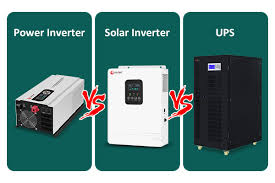
What is a traditional UPS?
A traditional UPS, or uninterruptible power supply, is mainly designed for computers and small electronic devices. It provides instant power during outages but only for a short time.
UPS systems are commonly used in:
- Offices
- Computer labs
- Routers and networking equipment
- Small electronics
They are built to protect data and prevent sudden shutdowns rather than run a full household.
What is a backup inverter?
A backup inverter is a larger power system that uses external batteries to supply electricity during outages. It can handle heavier loads and provide longer backup.
Backup inverters are used for:
- Lights and fans
- TVs and refrigerators
- Home appliances
- Full house backup
- Daily load shedding
They are specifically designed for homes where power cuts last for hours.
Backup time comparison
One of the biggest differences is backup duration.
A traditional UPS typically provides:
- 10 to 30 minutes of backup
- Only small loads
A backup inverter provides:
- Several hours of backup
- Support for multiple appliances
- Expandable battery capacity
In Pakistan, where outages can last 4 to 8 hours, a UPS simply isn’t enough.
Winner: Backup inverter
Load capacity comparison
UPS systems have limited power capacity. Most models cannot handle heavy appliances like refrigerators, fans, or motors.
Backup inverters are built for higher loads and can easily support:
- Multiple fans
- Lights
- TV
- Fridge
- Washing machine
- Small ACs (with higher capacity models)
If you try running heavy loads on a UPS, it may trip or shut down.
Winner: Backup inverter
Cost comparison
At first glance, UPS systems seem cheaper. But they offer limited functionality.
Traditional UPS:
- Lower upfront price
- Very small battery
- Not expandable
Backup inverter:
- Slightly higher cost
- Larger battery bank
- Expandable and long-term solution
When you consider backup hours and performance, inverters provide better value per rupee.
Winner: Backup inverter
Maintenance and efficiency
UPS batteries are small and often need replacement sooner due to frequent cycling. They are not designed for long daily usage.
Backup inverters:
- Support larger batteries
- Longer battery life
- Better charging systems
- More efficient performance
Modern inverters also include battery protection features that improve lifespan.
Winner: Backup inverter
Noise and convenience
Both systems are silent compared to generators, but UPS units often beep continuously during outages, which can be annoying.
Inverters operate quietly and smoothly, making them more comfortable for home use.
Winner: Backup inverter
Solar compatibility
Traditional UPS systems cannot integrate with solar panels.
Backup inverters, especially hybrid models, can:
- Charge from solar panels
- Reduce electricity bills
- Provide longer backup
- Work even during extended outages
For Pakistan’s sunny climate, solar-compatible inverters are a big advantage.
Winner: Backup inverter
When should you choose a UPS?
A UPS is suitable only if:
- You need backup for a single computer
- You want 10–20 minutes of power
- You run small office equipment
- You need short emergency protection
It is not recommended for full home use.
When should you choose a backup inverter?
A backup inverter is ideal if:
- You face daily load shedding
- You want hours of backup
- You need to run multiple appliances
- You plan to add solar later
- You want a long-term solution
For most Pakistani households, an inverter is the smarter investment.
Final verdict
When comparing backup inverter vs traditional UPS, the answer is clear. A UPS is designed for short-term computer protection, while a backup inverter is built for real home power needs.
If you want reliable electricity during load shedding, longer backup time, and support for household appliances, a backup inverter is the better and more practical choice.
In Pakistan’s power conditions, an inverter is not just better — it is essential.


Add comment