
Future of Solar Batteries: Lithium vs Lead Acid (2026 and Beyond)
The global shift toward solar energy has made battery storage one of the most important components of any modern power system. As more homes and businesses adopt solar, the question is no longer whether to use batteries, but which type will dominate the future. The debate between lithium batteries and lead acid batteries is at the center of this transition.
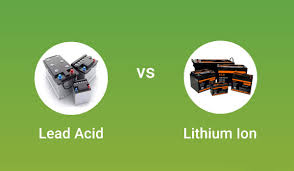
While both technologies are still in use today, their future paths are very different. Understanding where each stands in terms of innovation, cost, performance, and long-term viability is essential for anyone planning a solar investment.
The Current Landscape
Lead acid batteries have been around for over a century and have served as the backbone of backup power systems worldwide. They are widely available, relatively inexpensive, and familiar to technicians and users alike.
Lithium batteries, particularly lithium iron phosphate (LiFePO4), are a newer technology that has rapidly gained popularity due to their efficiency, long lifespan, and compatibility with modern solar systems.
As of 2026, the market is clearly shifting. Lithium batteries are becoming the preferred choice for new installations, while lead acid batteries are gradually being phased out in advanced systems.
Technology Evolution
The biggest difference in the future outlook of these two battery types lies in innovation. Lithium technology is continuously evolving, with improvements in energy density, safety, charging speed, and cost reduction. Manufacturers are investing heavily in research and development, driven by demand from electric vehicles, renewable energy systems, and portable electronics.
Lead acid technology, on the other hand, has seen minimal innovation in recent years. While there have been incremental improvements such as tubular and AGM designs, the core chemistry remains unchanged. This limits its potential for future growth and efficiency gains.
As a result, lithium batteries are expected to dominate future advancements in solar energy storage.
Cost Trends and Affordability
One of the main reasons lead acid batteries have remained popular is their low upfront cost. However, this advantage is shrinking rapidly. The cost of lithium batteries has been decreasing year by year due to large-scale production and global demand.
In contrast, the cost of lead acid batteries has remained relatively stable, with limited room for reduction. When considering long-term costs, lithium batteries are already more economical due to their longer lifespan and higher efficiency.
Looking ahead, lithium batteries are expected to become even more affordable, making them accessible to a wider range of users. This shift will likely accelerate the decline of lead acid batteries in the solar market.
Performance and Efficiency
Future energy systems will demand higher efficiency and better performance. Lithium batteries are already leading in this area, offering efficiency rates of up to 98 percent and the ability to utilize most of their stored energy.
Lead acid batteries, with lower efficiency and limited depth of discharge, are less suited for modern energy needs. As solar adoption increases and energy consumption patterns become more complex, the demand for high-performance storage solutions will grow.
This makes lithium batteries the more future-ready option.
Integration with Smart Systems
One of the defining features of future solar systems is the integration of smart technology. Hybrid inverters with energy management systems are becoming standard, allowing users to monitor and control their energy usage in real time.
Lithium batteries are designed to work seamlessly with these systems. They support communication protocols that enable real-time data exchange, optimization, and automation.
Lead acid batteries lack this capability. They operate as passive storage units without the ability to interact with smart systems. As energy management becomes more sophisticated, this limitation will make lead acid batteries increasingly obsolete.
Environmental Impact
Sustainability is a key factor in the future of energy storage. Lithium batteries are generally more environmentally friendly over their lifecycle due to their longer lifespan and higher efficiency. Fewer replacements mean less waste and lower resource consumption.
Lead acid batteries are recyclable, which is a positive aspect, but their shorter lifespan results in more frequent disposal and replacement. Improper handling and recycling can also pose environmental risks.
As environmental regulations become stricter, lithium batteries are likely to gain further advantage.
Performance in Harsh Conditions
In regions with extreme weather conditions, such as high temperatures, battery performance is critical. Lithium batteries are better equipped to handle heat and maintain stable performance. They include built-in management systems that protect against overheating and other risks.
Lead acid batteries are more sensitive to temperature and can degrade quickly in hot climates. This makes them less suitable for long-term use in regions with challenging environmental conditions.
Market Direction
The global market trend clearly favors lithium batteries. Most new solar installations, especially those involving hybrid systems and smart energy management, are adopting lithium technology.
Manufacturers are focusing their efforts on lithium-based solutions, and many are reducing their investment in lead acid products. This shift is expected to continue, with lithium batteries becoming the standard for residential and commercial solar systems.
Lead acid batteries will likely remain in niche applications where cost is the primary concern, but their role in mainstream solar systems will continue to decline.
Challenges for Lithium Batteries
Despite their advantages, lithium batteries are not without challenges. The higher initial cost can still be a barrier for some users. Additionally, concerns about resource availability and recycling infrastructure need to be addressed as demand grows.
However, ongoing research and technological advancements are expected to overcome these challenges, further strengthening the position of lithium batteries in the market.
The Future Outlook
Looking ahead, the future of solar batteries is clearly moving toward lithium technology. As costs continue to decrease and performance continues to improve, lithium batteries will become the default choice for most solar systems.
Lead acid batteries, while still useful in certain scenarios, are unlikely to keep pace with the demands of modern energy systems. Their limitations in efficiency, lifespan, and integration make them less suitable for the future.
Final Verdict
The comparison between lithium and lead acid batteries is no longer just about present-day performance. It is about long-term value, adaptability, and readiness for future energy systems.
Lithium batteries represent the future of solar energy storage. They offer better efficiency, longer lifespan, and compatibility with smart technologies. Lead acid batteries, while still relevant for budget applications, are gradually becoming outdated.


Add comment