
MPPT vs PWM Solar Charge Controller Complete Comparison Guide (2026)
Choosing the right solar charge controller is critical for maximizing your solar system’s performance. Two main types dominate the market:
✔ MPPT (Maximum Power Point Tracking)
✔ PWM (Pulse Width Modulation)
But which one is better for your solar setup?
In this detailed guide, we’ll compare MPPT vs PWM solar charge controllers, their efficiency, cost, performance, and which is best for homes in Pakistan and similar regions.
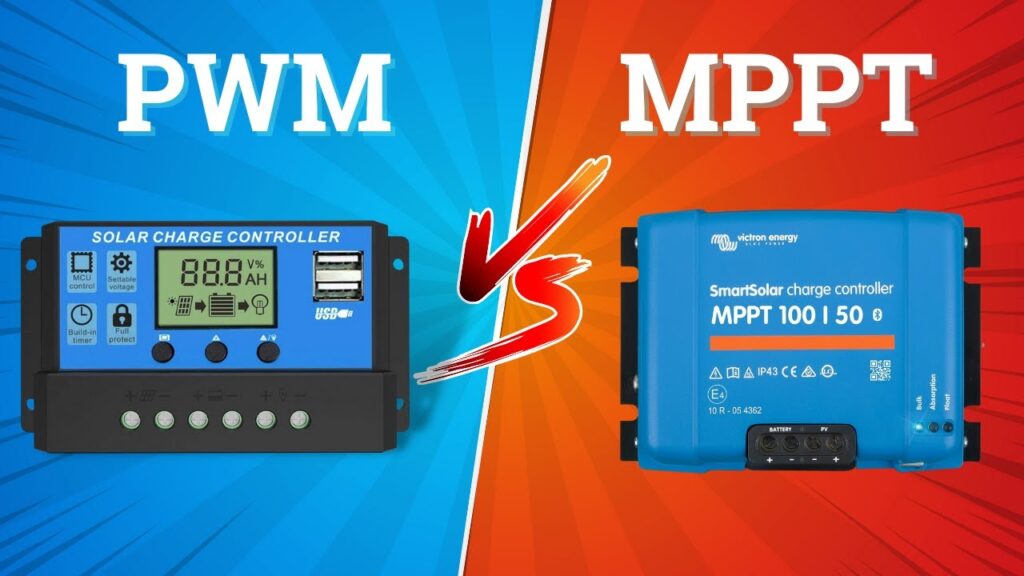
What Is a Solar Charge Controller?
A solar charge controller regulates the power flowing from solar panels to batteries. It:
- Prevents overcharging
- Protects batteries from damage
- Optimizes charging efficiency
- Extends battery life
Without a charge controller, your battery system can be damaged quickly.
What Is PWM Solar Charge Controller?
PWM (Pulse Width Modulation) is the traditional and simpler type of controller.
How PWM Works
- Connects solar panel voltage directly to battery voltage
- Gradually reduces current as battery fills
- Matches panel voltage to battery voltage
Advantages of PWM
✔ Lower upfront cost
✔ Simple technology
✔ Reliable for small systems
✔ Suitable for 12V small setups
Disadvantages of PWM
✘ 15–30% less efficient than MPPT
✘ Cannot utilize full panel voltage
✘ Slower charging
✘ Not ideal for large systems
PWM controllers are best for small solar setups like lighting systems or small backup units.
What Is MPPT Solar Charge Controller?
MPPT (Maximum Power Point Tracking) is an advanced and intelligent controller.
How MPPT Works
- Tracks the maximum power point of the solar panel
- Converts excess voltage into additional current
- Maximizes solar energy harvest
Example:
If your panel produces 40V and battery needs 12V, MPPT converts extra voltage into extra charging current — increasing efficiency.
Advantages of MPPT
✔ 20–30% more efficient
✔ Faster battery charging
✔ Better in cloudy or cold weather
✔ Supports higher panel voltages
✔ Ideal for medium to large systems
✔ Works excellent with lithium batteries
Disadvantages of MPPT
✘ Higher initial cost
MPPT vs PWM – Side-by-Side Comparison
| Feature | MPPT | PWM |
|---|---|---|
| Efficiency | 95–99% | 70–80% |
| Charging Speed | Fast | Slower |
| Cost | Higher | Lower |
| System Size | 3kW+ | Small systems |
| Panel Voltage Handling | Flexible | Limited |
| Performance in Cold Weather | Excellent | Average |
| Long-Term Savings | High | Moderate |
Which Is Better for Home Solar Systems?
For Small Systems (1–2kW)
PWM may be sufficient if:
- Budget is limited
- Load is small
- System voltage matches panel voltage
For Medium & Large Systems (3kW and above)
MPPT is strongly recommended because:
- It maximizes solar output
- Reduces need for extra panels
- Charges batteries faster
- Improves long-term performance
Most modern hybrid solar inverters already come with built-in MPPT controllers.
MPPT vs PWM Cost Difference
PWM controllers are cheaper initially.
However, MPPT:
- Generates more electricity daily
- Saves money by reducing panel quantity
- Increases battery lifespan
- Provides better return on investment
Over time, MPPT is more cost-effective.
MPPT vs PWM for Lithium Batteries
If you are using lithium batteries:
👉 MPPT is highly recommended.
Lithium batteries charge faster and operate better with optimized charging algorithms provided by MPPT controllers.
Final Verdict – MPPT or PWM?
✔ For maximum efficiency and serious home solar systems → Choose MPPT
✔ For small, low-budget systems → PWM is acceptable
In 2026, most homeowners prefer MPPT due to better technology and long-term savings.


Add comment