
Which Battery Is Best for a Solis 6kW Hybrid Inverter in Pakistan
Choosing the right lithium battery for your solar system is just as important as choosing the inverter itself. If you are using a Solis 6kW hybrid inverter, your battery choice directly affects backup time, system stability, and long term performance.
Many users in Pakistan are currently comparing three options: DJDC, Dyness DL5.0C, and SolaX LD55.
At first glance, all three may look similar because they fall in the 5kWh range, but in reality they belong to very different categories. This blog explains the differences in simple terms so you can make the right decision for your system.
Understanding your inverter requirement
Before comparing batteries, it is important to understand what your Solis 6kW hybrid inverter needs.
A hybrid inverter works best with batteries that support communication protocols like CAN or RS485. This allows the inverter and battery to “talk” to each other, manage charging properly, and improve safety.
Without proper communication, even a good battery can perform poorly. That is why compatibility is the first thing to check.
Dyness DL5.0C as the most balanced option
Dyness DL5.0C is one of the most widely used lithium batteries with hybrid inverters in Pakistan. It is known for stability, safety, and strong compatibility.
This battery uses LiFePO4 chemistry, which is considered the safest and most reliable for solar systems. It offers around 5.12kWh capacity and a cycle life of more than 6000 cycles, which means it can easily last many years with daily use.
The biggest advantage of Dyness is its compatibility with Solis. It supports proper communication, which ensures smooth charging and discharging. This results in better efficiency and longer battery life.
Another strong point is scalability. If your energy needs increase in the future, you can easily add more batteries to expand your system.
In real world usage, Dyness batteries perform well in Pakistan’s heat and provide stable backup during load shedding. This makes them a very practical choice for most households.
SolaX LD55 as a premium but limited option
SolaX LD55 is a premium lithium battery with advanced features and high performance design.
It is a high voltage battery system, which is different from standard low voltage batteries like Dyness. High voltage systems are generally more efficient and suitable for larger installations.
However, there is an important limitation.
SolaX batteries are mainly designed to work within the SolaX ecosystem. This means they perform best when paired with SolaX inverters. Using them with a Solis inverter may require special configuration, and in some cases, full compatibility may not be available.
Because of this, even though SolaX LD55 is technically a high quality battery, it is not the most practical choice for a Solis 6kW system unless compatibility is fully confirmed by your installer.
In simple terms, it is a premium option but not the best fit for this specific setup.
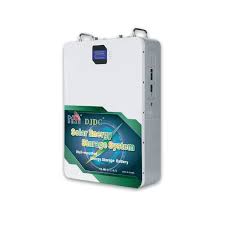
DJDC as a budget level solution
DJDC lithium batteries are becoming common in the Pakistani market because of their lower price.
They are usually positioned as entry level lithium solutions for users who are upgrading from tubular batteries and want something more affordable.
While DJDC batteries can provide basic backup, they come with certain limitations.
The first concern is consistency. Unlike established brands, DJDC does not have the same level of global testing and long term performance data. This makes reliability a question for long term use.
The second issue is communication compatibility. Some DJDC batteries may not fully integrate with Solis inverters, which can lead to inefficient charging or limited performance.
The third factor is build quality. While the battery may work fine initially, long term durability may not match premium or mid tier brands.
This does not mean DJDC is unusable, but it is better suited for low budget systems where cost is the main priority.
Real world performance comparison
When comparing these three batteries in real conditions, the differences become clear.
Dyness provides stable and predictable performance. It works smoothly with Solis inverters and delivers consistent backup. It is a safe and tested option.
SolaX offers advanced technology and high efficiency, but its benefits are limited when used outside its own ecosystem. Without proper compatibility, its performance advantage cannot be fully used.
DJDC provides basic functionality at a lower cost, but it may not deliver the same level of reliability, efficiency, or long term value.
Cost versus value
Price is always an important factor, especially in Pakistan.
DJDC is the cheapest option, which makes it attractive for budget users. However, lower cost often comes with compromises in performance and lifespan.
Dyness sits in the middle range. It is not the cheapest, but it offers strong value for money because of its reliability and compatibility.
SolaX is usually the most expensive among the three. While it offers premium features, those features are only useful if you are using a SolaX inverter system.
When you look at long term value instead of just initial cost, Dyness often becomes the better investment.
Which battery should you choose
If you are using a Solis 6kW hybrid inverter, the decision becomes much simpler when you focus on compatibility and real world performance.
Dyness DL5.0C is the most suitable choice. It offers the best balance of performance, safety, and compatibility. It is widely used, well tested, and trusted in the market.
SolaX LD55 is a good battery but only if you are using a full SolaX system. Otherwise, it is not the most practical option.
DJDC can be considered if your budget is very limited, but it should not be your first choice for a long term solar investment.
Final thoughts
A battery is not just an add on to your solar system. It is the part that stores your energy and keeps your home running during outages. Choosing the wrong battery can reduce the performance of your entire system.
For a Solis 6kW hybrid inverter, compatibility and reliability should always come first.
Dyness stands out as the most balanced and practical choice. It is designed to work smoothly with hybrid systems and provides dependable performance in Pakistani conditions.
Conclusion
If you want a system that works smoothly, lasts longer, and gives reliable backup, Dyness DL5.0C is the best option among the three.
SolaX LD55 is premium but not ideal for Solis. DJDC is affordable but comes with compromises.
In the end, the right battery is not just about price. It is about how well it works with your inverter and how long it will support your energy needs.


Add comment