
Hybrid Inverter vs Normal Inverter
What is the Real Difference and Which One is Better in Pakistan
When planning a solar system, one of the most confusing decisions is choosing between a hybrid inverter and a normal inverter. Many people think they are similar, but in reality they are built for very different purposes.
Understanding this difference can save you money and help you build a system that actually meets your needs.
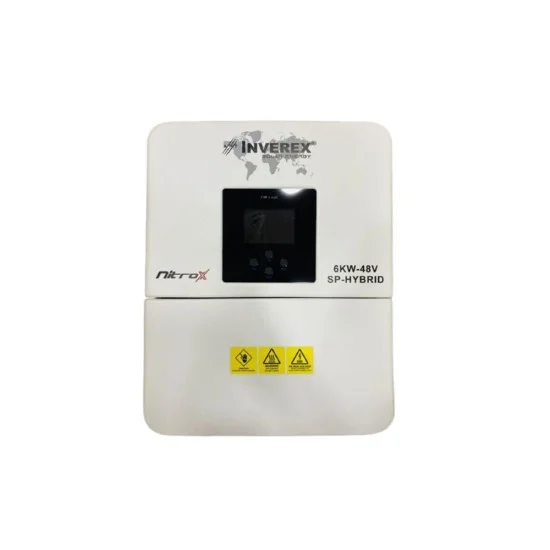
What is a normal inverter
A normal inverter, often called an on grid inverter, is designed to convert solar energy into electricity and send it directly to your home or the grid.
Brands like Growatt and Solis offer many normal inverter models in Pakistan.
These inverters do not store energy. They simply use solar power when it is available.
How it works
During the day, solar panels generate electricity. The inverter converts it into usable power for your home. Any extra electricity is sent back to the grid if net metering is available.
At night or during load shedding, the inverter stops working because it has no battery support.
What is a hybrid inverter
A hybrid inverter is a more advanced system. It can do everything a normal inverter does, but it also works with batteries.
Brands like Fox ESS and Huawei are known for hybrid inverter systems.
How it works
A hybrid inverter connects to solar panels, batteries, and the grid at the same time.
- During the day, it powers your home and charges the battery
- At night, it uses stored energy from the battery
- During load shedding, it continues running your home
This makes it a complete energy solution.
Key difference between hybrid and normal inverter
The biggest difference is simple.
A normal inverter cannot store energy.
A hybrid inverter can store energy in batteries.
This one difference changes everything in terms of performance and usage.
Backup during load shedding
This is the most important factor in Pakistan.
A normal inverter shuts down during load shedding. Even if your panels are producing electricity, the system will not work for safety reasons.
A hybrid inverter continues to run because it uses battery storage.
If backup is important to you, a hybrid inverter is clearly the better choice.
Cost difference
Normal inverters are cheaper.
They are simple systems without battery support, so the initial cost is lower.
Hybrid inverters are more expensive because they include advanced features and require batteries.
However, the higher cost comes with more benefits.
Long term value
A normal inverter may look cheaper at the start, but it has limitations.
If you later decide to add batteries, upgrading can be expensive or sometimes not possible.
A hybrid inverter is future ready. You can start without batteries and add them later.
This makes it a better long term investment.
Efficiency and performance
Both inverter types offer high efficiency, usually above 97 percent.
However, hybrid inverters provide better overall energy management.
They can store excess energy instead of wasting it. This improves total system efficiency.
Net metering compatibility
Normal inverters are commonly used for net metering systems.
They send excess electricity to the grid and reduce your electricity bill.
Hybrid inverters also support net metering, but they add another advantage. They can store excess energy in batteries instead of sending it to the grid.
This gives you more control over your energy usage.
Installation and complexity
Normal inverters are easier to install.
Hybrid systems are more complex because they include batteries, wiring, and smart controls.
However, once installed, hybrid systems offer more flexibility and control.
Which one is better for Pakistan
The answer depends on your needs.
Choose a normal inverter if:
You have net metering
You want a low cost system
You do not need backup
Choose a hybrid inverter if:
You face load shedding
You want backup power
You plan to add batteries
You want energy independence
In Pakistan, where load shedding is still common, hybrid inverters are becoming more popular.
Real world example
Imagine two homes with the same solar panels.
Home one uses a normal inverter. During the day, everything works fine. At night or during outages, there is no power.
Home two uses a hybrid inverter. During the day, it runs on solar and stores extra energy. At night, it uses the battery. During load shedding, it still has power.
This clearly shows the difference in real life.
Final thoughts
Choosing between a hybrid and normal inverter is not just about price. It is about how you want your system to work.
A normal inverter is simple and affordable but limited.
A hybrid inverter is more advanced and reliable but costs more.
Conclusion
If your goal is to reduce electricity bills and you have stable grid power, a normal inverter can work.
But if you want backup, flexibility, and long term value, a hybrid inverter is the better choice.
In Pakistan’s conditions, where power issues are common, hybrid inverters are becoming the smarter investment for most users.


Add comment